



Home > Strategy >   Cell Survivor

Cell Survivor

Advertisement
Size : 353.3 MB
Version: 1.18
Updated: Nov 21, 2025
Size : 353.3 MB
Version: 2.2
Updated: Nov 24, 2025
Advertisement

—— Editor's Review (Referrer) ——

Lydia  ( Age 19 from US )

Cell Survivor by Yelo Hood provides an original medical-themed bullet-hell experience for gamers where you control anti-virus artifacts to smite waves of viral assaults. As a roguelike shooter, the game combines fast-paced action with strategic skill selection, offering a thrilling loop of action and decision that sets it apart from other mobile shooters.


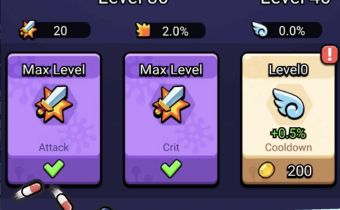
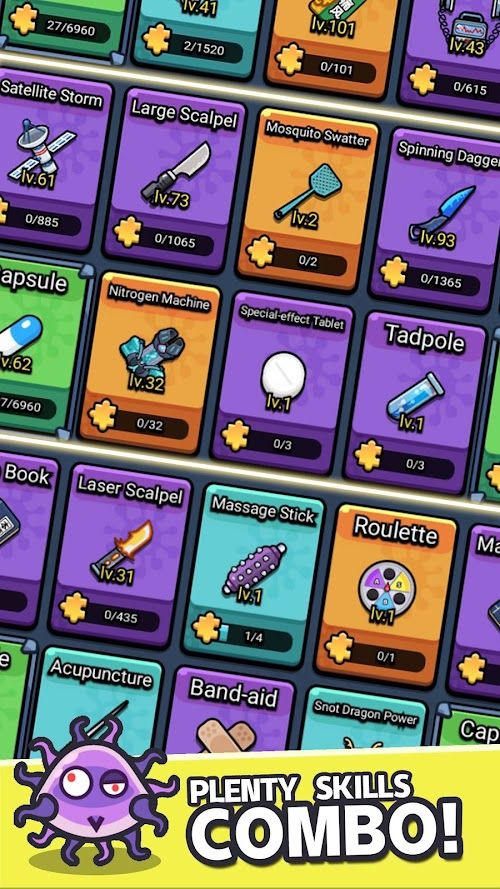
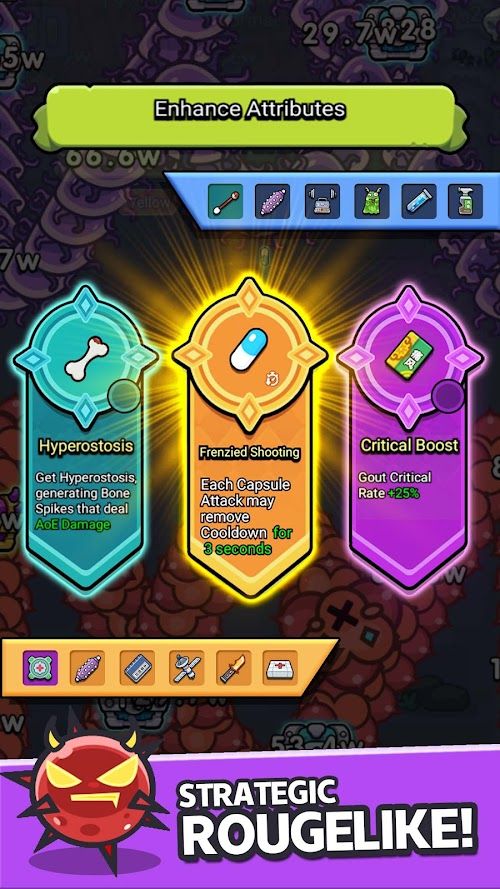
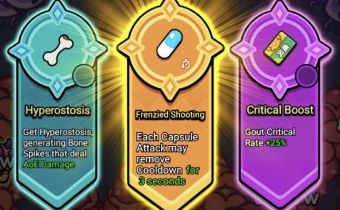
The most enticing feature of the game is its sophisticated roguelike progression system. After successful waves of virus victory or boss attacks, there are three randomly chosen skill selections presented to the players. These may enhance firing rate, enhance defensive power, or introduce new types of attack patterns. This system gives true replay value, as each playthrough is very distinct from all others.


The skill choose system excels at making well-crafted choices in high-stress situations. During frenzied virus fights, players must quickly weigh whether to prioritize short-term survivability in the form of defensive upgrades or gamble on offense augmentations that could pay them back later on. Randomization prevents players from optimizing builds and encourages creative adaptation and maintains play feeling fresh over long periods.


Nonetheless, this randomness can also anger players who want steady progression. Unlike games where there is a set skill tree, Cell Survivor’s RNG-based upgrades occasionally present three equally lackluster options to players, who feel helpless in the face of punishing boss fights. The system especially falters at mid-game points, when the bad skill draws effectively terminate promising runs before players get to access the more engaging late-game content.


Cell Survivor’s active skill system creates exciting moments of strategic decision, but success is often more a function of luck than learning skill. Players spending time developing their reflexes and strategic thinking will have those efforts negated by constantly poor upgrade choices.


The roguelike elements work best when they enhance the base shooting game without dominating it. Cell Survivor works when enhancements of skills build upon established player capabilities, but breaks down when randomization creates builds that break base gameplay advancement. Despite these flaws, the system provides enough diversity to justify multiple plays for dedicated fans who are ready to endure its randomness.


Copyright © GameNaomi - All Rights Reserved

more


5 December, 2025

Emma  ( Age 25 from Australia )

Cell Survivor reborn the traditional bullet-hell genre by its revolutionary medical look with users employing “anti-virus artifacts” and “medical props” to combat virus attacks. This roguelike shooter provides a unique battlefield where medical equipment becomes weapons and viruses are the enemies in adrenaline-infused, high-speed battles.


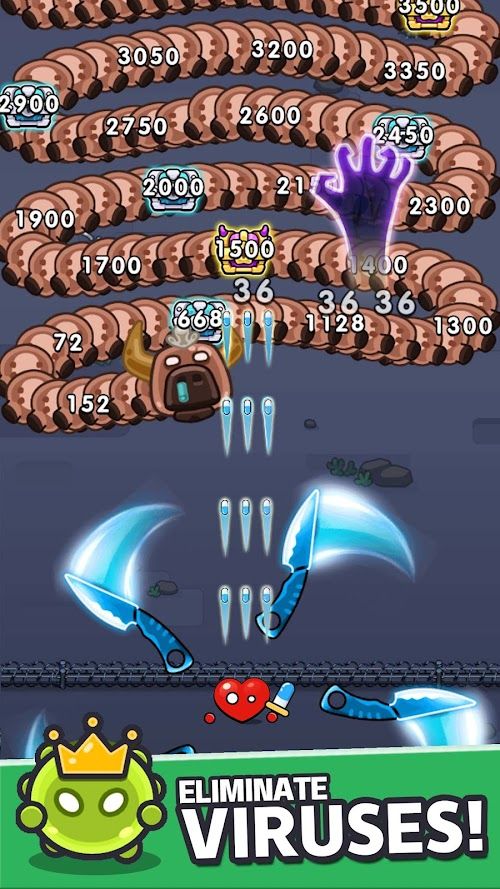
The fight system focuses on capsules as your main weapon, which are always active during battles. This auto-fire system prevents targeting boredom while enabling players to concentrate on movement and tactical skill use. Virus foes fall along the screen in unique patterns, and it’s necessary to time accurately to destroy their parts before they hit the bottom edge.


The weak point system of the game adds strategic depth to beyond bland bullet-hell action. By noticing and attacking on weaknesses when enemies are stressed, players can rapidly turn the tide of battle, with key upgrades to use on upgrading weapons and abilities. Every successful weak point attack provides sufficient visual feedback, and every shot feels impactful and rewarding quick perception.


But the efficacy of the weak point system is lost on boss types that have their vulnerability areas obscured by visual effects or rapid movement patterns. This disconnect can frustrate veteran players who have mastered the aim mechanics since some battles are rewarding for precise aiming and others devolve into spray-and-pray.


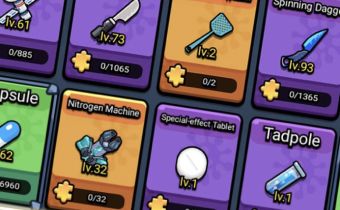
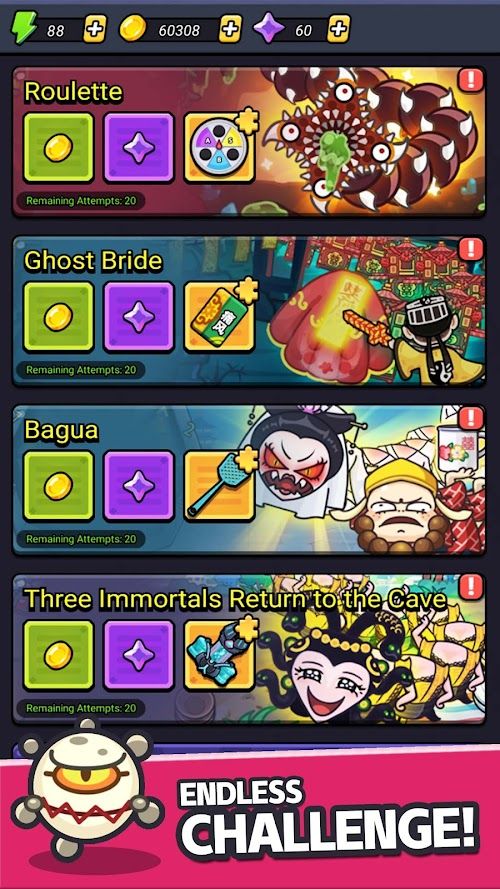
Cell Survivor’s fighting is strongest when encountering diverse virus boss enemies that offer visual and mechanical diversity. Every boss has diverse attack patterns and vulnerabilities that necessitate players to adopt alternate strategies. The medical theming is consistent from the start, with pills serving as ammunition and pharma tools serving as power-ups, offering a cohesive appearance that is distinguished from typical space shooters.


The combat system is an optimal balance of depth and accessibility. The new players can employ the automatic shooting and prominent visual cues, while the expert players can squeeze out the optimal performance through precise weak point aiming and positioning. Two-layered design guarantees the combat remains interesting at every skill level, although sometimes the medical theme holds back the visual variety which can drive long-term interest during extended game play periods.


Copyright © GameNaomi - All Rights Reserved

more
5 December, 2025

Ivy  ( Age 35 from UK )

Cell Survivor is a medicine-themed roguelike shooter where the player takes on the role of anti-virus artifacts battling waves of viral enemies. Yelo Hood’s contribution is defined by its natural approach to designing enemies and laying out levels, breaking away from mechanical design conventions to something that is essentially biological and arbitrary in its progression systems.


The enemy model follows the development of viral enemies moving with organic realism. Unlike standard shooters with their geometric shapes or robot-like motion, Cell Survivor viruses crawl with unnatural, life-like animations mimicking true pathogenic movement. Large virus types stumble downwards with ominous bulk and tenacity, while little ones zigzag wildly across screen real estate, creating actual tension with their erratic movement patterns.


Each type of virus features various visual patterns that communicate behavioral patterns before interacting. Visual language provides easy identification of threats by players and adaptation of strategies accordingly. Introducing new types of enemies in succession is done perfectly by the game so that players master their patterns without confusing newbie players. Boss fights are wonderful with each viral boss featuring unique attack patterns and windows of vulnerability that need strategic adaptation.


However, organic enemy design occasionally works against gameplay readability. Some types of viruses are visually identical and blend together into confused battles, making it difficult to effectively prioritize targets. The naturalistic movement habits, while appropriately thematic, sometimes are less predictable than gothic habits, and therefore more infuriating for players who enjoy set, learnable behaviors from their foes.


The level design incorporates roguelike randomness while preserving increasing difficulty curves. Runs yield unique enemy formations and pacing, making it impossible for players to memorize the best paths. Wave formations change significantly between attempts, so dominating one setup does not ensure success in further attempts.


Cell Survivor’s enemy design acts to tension up through biological realism rather than artificially created difficulty spikes. The viral theme provides ready recognition but space for artistic interpretation of pathogenic inclinations. This design creates experiences that feel new on repeated playthroughs, but the natural unpredictability sometimes conflicts with the precision timing rewarded by bullet-hell games.


Copyright © GameNaomi - All Rights Reserved

more

5 December, 2025

Mina  ( Age 28 from Bangladesh )

Cell Survivor reimagines the bullet-hell genre through an overall medical aesthetic, with anti-virus artifacts controlled by players in a fight against animated viral foes. The roguelike shooter combines “meat pigeon” elements with high-speed action, featuring a bold visual identity that reconfigures genre staples into something new and immediately recognizable.


The game’s art design delivers excellent thematic consistency across all aspects of gameplay. Pill-based ammo to pharmaceutical power-ups, all assets serve to enforce the medical paradigm without immersion-breaking. The interface wisely balances arcade accessibility with clinical professionalism, with HUD elements that preserve clean, medical equipment looks while being instantly legible under the duress of chaotic combat sessions.


Virus enemy designs showcase remarkable creativity within the medical boundaries. Rather than generic geometric shapes, enemies are recognizable pathogenic threats with organic, unsettling animations that effectively communicate their behavioral patterns. Each virus type possesses distinguishing visual characteristics that enable players to recognize threats immediately and strategize accordingly, creating a visual language that is both aesthetically pleasing and functional.


Yet the medical theme’s verisimilitude exacts some major limitations on visual diversity for the player. The antiseptic range of whites, blues, and clinical greens can be dull across extended play sessions. Thematically accurate though it may be, this reserve closes off the visual fireworks and chromatic pyrotechnics that render other shooters visually engaging, perhaps alienating players who need greater dynamic visual response.


It has excellent visual assets, yet the medical constraint is that most of the variations of the content are variations of syringes, capsules, and laboratory equipment. This creates a paradox whereby Cell Survivor’s highest point of differentiation is also its highest limiting factor.


Cell Survivor’s graphical style easily achieves immediate brand differentiation and freshness within the crowded mobile shooter category. The medical theme provides true differentiation with gameplay clarity preserved. However, the self-imposed graphical constraints may limit long-term graphical evolution that tends to sustain player interest across extended play sessions, making the thematic consistency both the game’s greatest strength and weakest point.


Copyright © GameNaomi - All Rights Reserved

more

5 December, 2025

Comments(0)

Sort by Best
What do you think?
  • 4941
    Upvote
  • 3978
    Angry
  • 5028
    Funny
  • 10252
    Love
  • 3726
    Sad
Rating: