



Home > Action >   Once Human

Once Human

Advertisement
Size : 4 GB
Version: 1.0.16
Updated: Aug 12, 2025
Size : 4 GB
Version: 1.0.26
Updated: Aug 15, 2025
Advertisement

—— Editor's Review (Referrer) ——

Lydia  ( Age 19 from US )

One of the most powerful and unique things about Once Human is its complete implementation of the Meta-Human system and how it works alongside beneficial “Deviant” allies to provide a vibrant setting that is unique from other survival-crafting games.


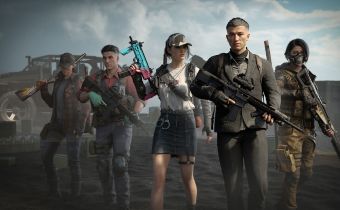
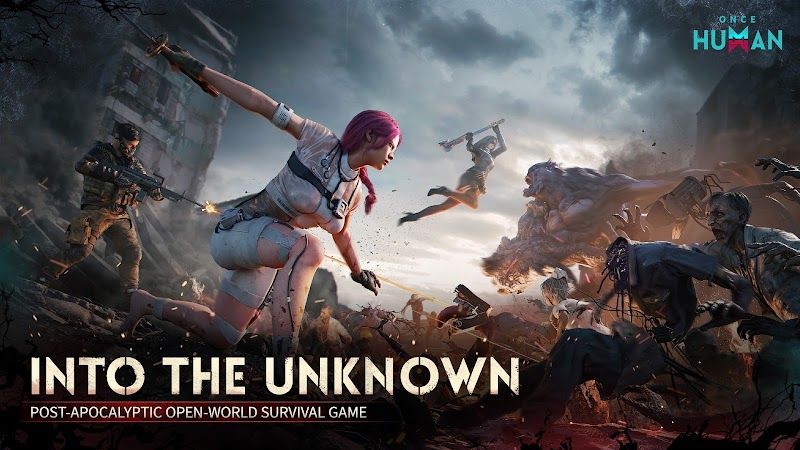
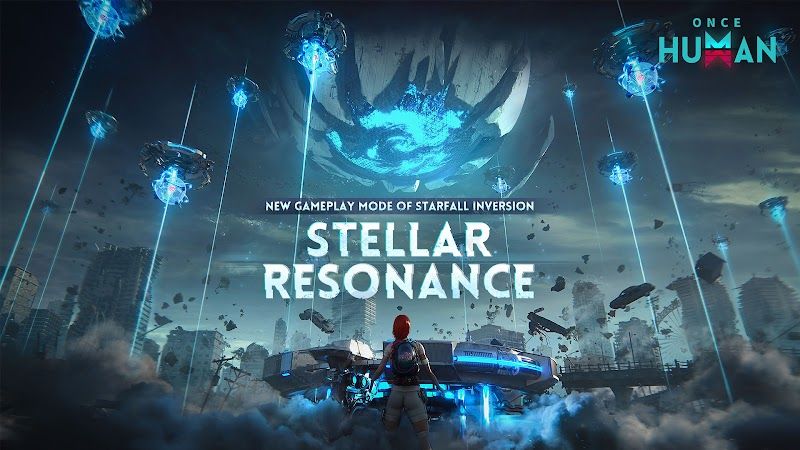
Players, at the core of the experience, play as a Meta-Human—a genetically altered survivor who awakens in a ruined laboratory after an event referred to as the Starfall. The destruction occurs after the contamination of an extraterrestrial matter named Stardust, which has altered the majority of living beings into deformed monsters named Deviations. Nevertheless, what distinguishes Meta-Humans is that they can not only oppose the mutation of the Stardust but also tap into specific abilities of the extraterrestrial contamination.


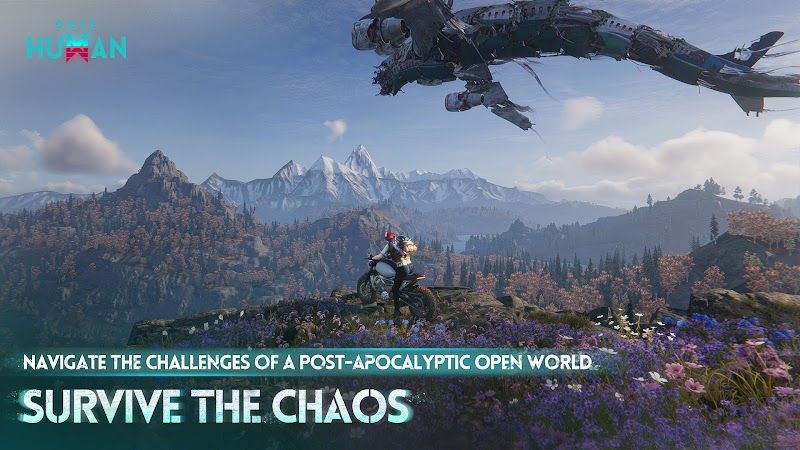
Early on in the game, the player is introduced to “V,” a dark, enigmatic raven that acts as both advisor and transport method — you can glide across the wasteland in stylized fashion that has a clear nod to the game’s world-building. Players soon have the ability to summon a motorcycle for transportation as well, both aspects exclusive to Once Human and essentially changing the pace of post-apocalyptic exploration for the player.


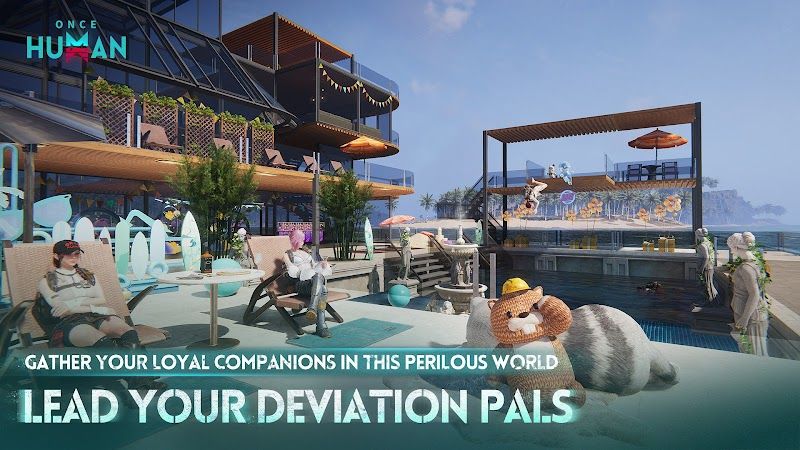
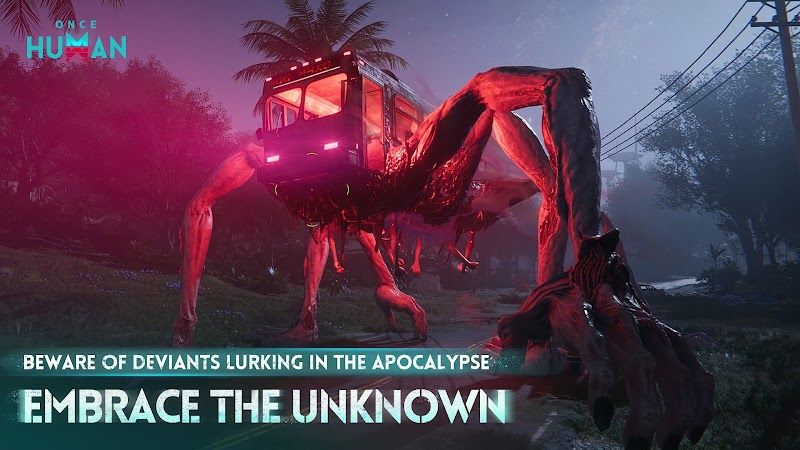
And perhaps most significant, Once Human introduces a system where the player is able to recruit friendly Deviants as minions. They are not pets but rather mutated animals that can fight battles, collect resources, or even be used as mobile defense guns. For example, Crimson Butterfly is a very resilient Deviant who can deal a lot of damage on behalf of the player; there are also other minions, each having certain benefits and strategic roles. This feature adds an entirely new dimension of strategic depth—especially when moving into hostile territory or resource-based regions.


This interaction with Deviants is more than a mere order. Based on which friendly Deviant one will pick up, one or more of their abilities become accessible, changing not only combat capability but also the player’s approach to scavenging, defending their base, and resource collection. This feature combined with the lore regarding the Meta-Human project and its catastrophic failure forms the basis of a rich, reactive world that ensures no two players will experience anything the same.


Overall, Meta-Human and Deviant system in Once Human differentiates the game from traditional survival-crafting gameplay by incorporating empowerment of character and companionship amidst a highly mutated world.


Copyright © GameNaomi - All Rights Reserved

more


12 September, 2025

Emma  ( Age 25 from Australia )

Once Human offers a truly fresh take on traditional survival-crafting clichés with its territory relocation system and sophisticated base-building mechanics, allowing for creative freedom and strategic flexibility rare within the genre.


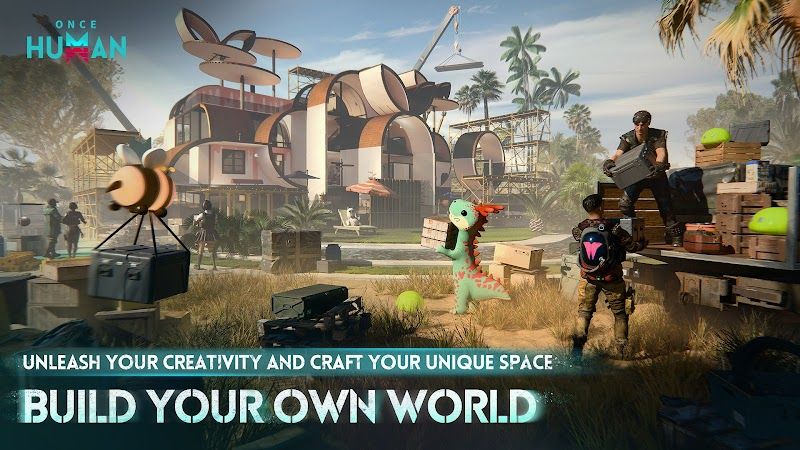
Most open-world survival games tie the player’s base to a single starting point for the playthrough, but Once Human releases players to relocate their entire territory at will. This is more than a simple convenience—it’s a core game mechanic. Players can choose any spot, whether early-game or late-game, and on a relatively short cooldown, move their entire base, including all structures, crafting stations, and personal storage. This mobility is particularly important in Once Human’s world, as environmental hazards and faction competition mean the map is always shifting, and players need to adapt.


Base-building is open-world and unusually configurable. The resource system—scrounging the corpse of mutated towns, factories, and wilds—allows for constant upgrades. Throughout the game, players unlock blueprints for improved equipment, resource stations, and defenses, all of which can be incorporated into the ever-evolving home base. Automation features, such as automated gardens and resource stations, turn survival into more of a strategic management puzzle. These can be readily relocated, which is vital when players need to move away from hostile player groups or encroaching Deviations.


One quality-of-life feature exclusive to Once Human is the capacity to move the whole base freely. This prevents new players from being irreparably harmed by poor initial placement and allows veterans to chase uncommon resources or key positions as server politics change. The relocation process maintains all built items and upgrades, so players never lose progress, just position.


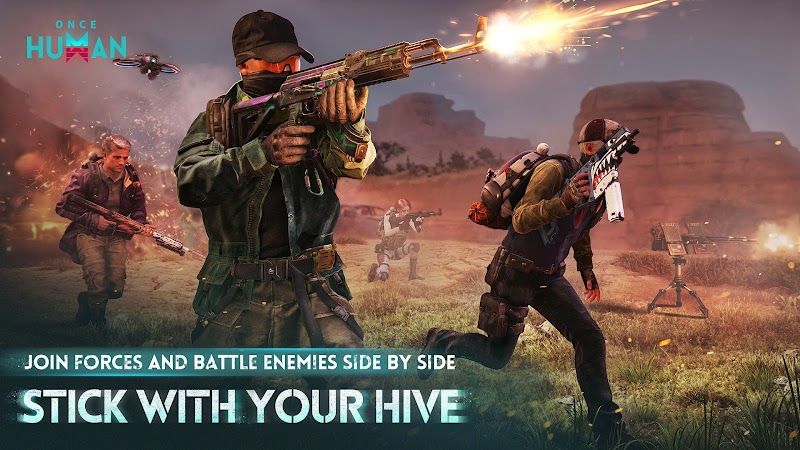
Similarly in multiplayer modes, groups of players can form massive “Warbands,” with up to 50 members vying for control of lucrative, limited resource areas. Successful Warbands that control these contested regions are rewarded with rare resources essential for high-level upgrades.


Overall, the integration of modular base-building, automation, and frequent, penalty-free area relocation, ensures that Once Human’s building and management gameplay is both dynamic and player-driven in both PvE and PvP settings.


Copyright © GameNaomi - All Rights Reserved

more
12 September, 2025

Ivy  ( Age 35 from UK )

What actually makes Once Human stand out in the packed survival game market is the way that it intersects the Sanity, Nutrition, and Character Fitness Mechanics. These mechanics create rich, real-world consequences for player choices, taking the survival experience far beyond surface-level hunger and thirst meters from other games.


Firstly, the “Sanity” system is directly associated with the world’s fiction: not only does Stardust taint living organisms but the earth, water, and food supply as well. Consuming contaminated beverages and poisoned sustenance doesn’t just threaten player health; they erode sanity, chipping away at maximum HP and even inducing mental-breakdown effects if not addressed for an extended period. This creates tough, moment-by-moment decisions: do you endure hunger and thirst at the risk of deadly supplies, or wait longer, at risk of the threat of insanity?


Concurrently, the “Nutrition” mechanic affects far more than just survival—it affects character fitness head-on and even the weight of the player character, which has particular repercussions. In character creation and in play, player weight is not cosmetic. It affects play directly. Underweight characters have less carry capacity and stamina, whereas overweight characters are able to carry more loot and also deal more melee damage but are slower at attacking and rolling. The perfect balance—where agility is balanced by strength—is in a middle weight, but this is always subject to change based on diet and resource availability.


These mechanics are supported by a dynamic food system: specific foods like “Fried to Crispy” weigh up, spoiled food results in vomiting and the rapid loss of weight. If consumed by a player, such food requires the use of antibiotics or risk debilitating side effects. This system must be constantly concerned with because intentional and unintentional consumption have long-term consequences, making nutrition and status management a core survival concern as opposed to an afterthought.


The synergy of once-obscure simulation mechanics—Sanity, Nutrition, Fitness, and Weight—gives each journey across the Stardust-battered world a nail-biting game of balance, imparting every resource and food choice with real, lasting meaning.


Copyright © GameNaomi - All Rights Reserved

more

12 September, 2025

Mina  ( Age 28 from Bangladesh )

Once Human distinguishes itself not just through mechanics and systems, but with a cohesive emphasis on graphical realism and environmental narrative, giving rise to a visually delivered game that is tailored specifically for its mutated, post-Starfall world.


With the addition of Graphics Upgrade 2.0, Once Human does a lot more than one might expect from a free-to-play live service title. Character characters now enjoy superior lighting, more natural hair animations, richer skins, and improved clothing fidelity—yes, even on lowest quality settings, improvements in performance and visuals are noticeable. Character models no longer stay in the “uncanny valley,” with before-and-after tests recording significant improvements in facial animations, expressions, and postures, especially with the addition of variation in walking, sitting, and running animations.


The environmental art in the game is a success, with enhanced lighting and visual effects recently added that greatly increase the realism and immersive power of each location. Ruined buildings, mutant forests, and derelict cityscapes show shadow play and lighting based on real-world physics (ray-traced effects). Interior environments are in fact dark, so players need to find or create appropriate sources of light, and flame produces realistic, dancing light at night—a visual distinction that not only establishes a basis for the environment but also serves haptic play functions.


Atmospheric effects reinforce the sense of fear and wonder: Stardust fog, poisonous rain, and day-night cycles are all possible using a multi-layered lighting system that imparts the world an irrepressible sense of perversion and melancholy. Even usability improvements—such as optimising to the capabilities of low-end PCs—are anchored by deliberate artistic choices, giving thematic cohesion to all players regardless of hardware.


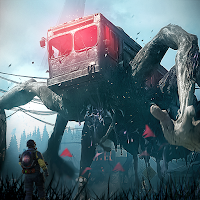
In addition, some of the monster and Deviant looks are grotesquely beautiful. Each monstrosity is illustrated with its own special mutations—gnarled limbs, crystalline Stardust structures, and burrowing-lived forms radiating bio-luminescent hues—emphasizing world alienification.


These visual and atmospheric choices are not cosmetic; they significantly shape player immersion, reap emergent fear from discovery, and give Once Human a disturbing, memorable presence in the genre.


Copyright © GameNaomi - All Rights Reserved

more

12 September, 2025

Comments(0)

Sort by Best
What do you think?
  • 4941
    Upvote
  • 3978
    Angry
  • 5028
    Funny
  • 10252
    Love
  • 3726
    Sad
Rating: